Livelihoods & Economic Development
Strengthening livelihoods, promoting economic inclusion, and building resilient income-generating opportunities for vulnerable communities in fragile and crisis-affected contexts.
The Challenge
Across Somalia and other fragile contexts where PHASE operates, limited livelihood opportunities and high unemployment rates leave vulnerable populations without reliable sources of income. Climate shocks, displacement, and economic instability further disrupt livelihoods, increasing dependency on humanitarian assistance and reducing resilience at the household level.
Our Response
PHASE implements livelihoods and economic development programmes that enhance income-generating opportunities, strengthen household resilience, and promote sustainable economic inclusion. Our interventions support communities to rebuild livelihoods, diversify income sources, and reduce vulnerability to future shocks.
Key Interventions
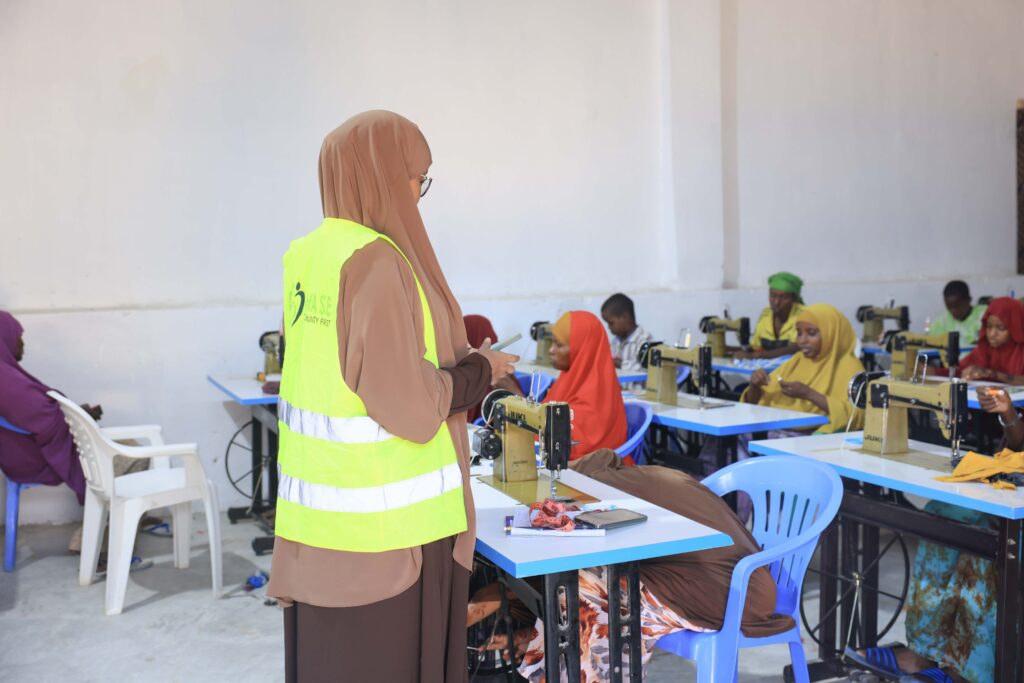
- Skills development and vocational training
- Support to small businesses and entrepreneurship
- Cash-for-work and income-generating activities
- Livestock and pastoral livelihood support
- Financial inclusion and savings group initiatives (VSLA)
- Community-based targeting and beneficiary verification
- Market linkages and economic empowerment programmes
Our Approach
PHASE adopts a market-oriented and community-driven approach to livelihoods programming, ensuring that interventions are sustainable, context-specific, and aligned with local economic systems. We integrate skills development, access to finance, and market opportunities to support long-term economic resilience and self-reliance.
Our Impact
7,000+
Individuals supported with livelihoods initiatives
25+
Communities engaged in economic programmes
35+
Livelihood interventions delivered
Where We Work
PHASE implements livelihoods and economic development programmes across Somalia and other fragile contexts, focusing on areas affected by economic vulnerability, displacement, and climate shocks.
Partner With Us
PHASE works with partners to strengthen livelihoods, expand economic opportunities, and promote sustainable development for vulnerable populations.