WASH (Water, Sanitation & Hygiene)
Improving access to safe water, sanitation, and hygiene services to reduce disease, enhance dignity, and strengthen resilience in vulnerable communities.
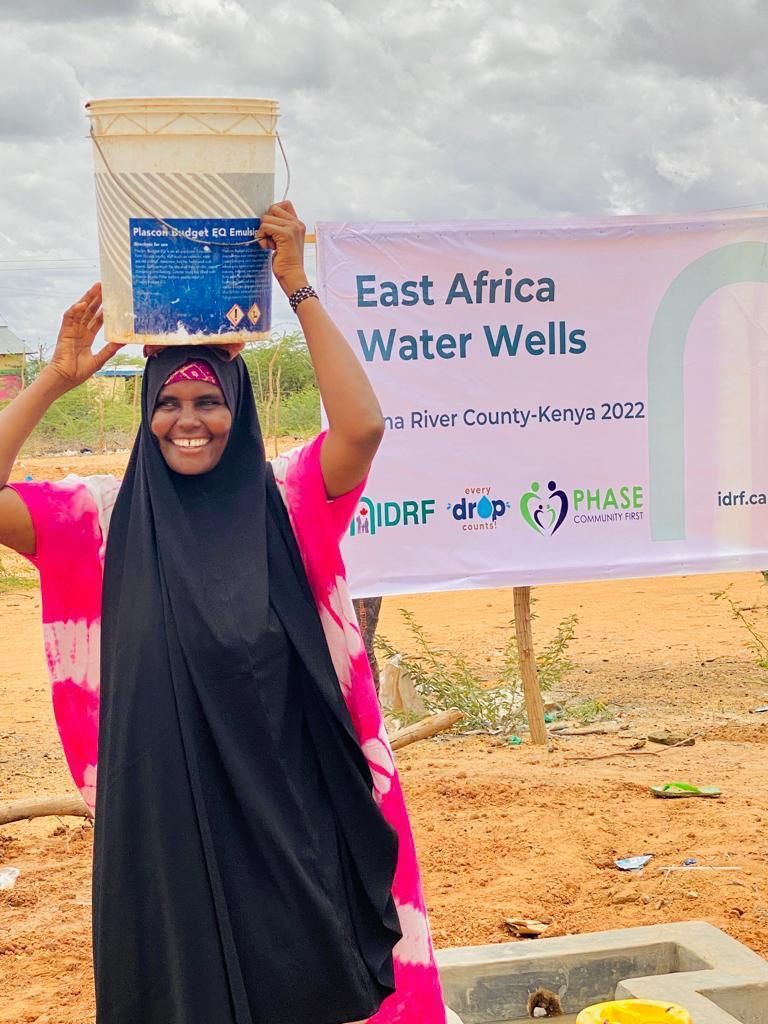
The Challenge
Across Somalia and other fragile contexts where PHASE operates, access to safe water and sanitation remains limited, particularly in drought-affected and displacement-prone areas. Inadequate water supply, poor sanitation facilities, and low hygiene awareness contribute to the spread of waterborne diseases, disproportionately affecting vulnerable populations, especially children and women.
Our Response
PHASE delivers integrated WASH interventions that improve access to safe water, promote hygiene practices, and strengthen sanitation infrastructure in underserved communities. Our programmes address both immediate needs and long-term resilience by combining service delivery with community engagement and behavior change initiatives.
Key Interventions
- Provision and rehabilitation of safe water sources
- Hygiene promotion and community awareness campaigns
- Construction and rehabilitation of sanitation facilities
- Water trucking and emergency water supply
- Community-led sanitation and hygiene initiatives
- Coordination with WASH partners and local authorities
Our Approach
PHASE adopts a community-centered and sustainable approach to WASH programming, ensuring that interventions are inclusive, context-specific, and aligned with local needs. We integrate behavior change communication, community ownership, and system strengthening to promote long-term access to safe water and improved sanitation practices.
Our Impact
40,000+
Individuals reached with WASH services
40+
Communities supported
50+
WASH interventions delivered
Where We Work
PHASE implements WASH programmes across Somalia and other fragile contexts, focusing on areas affected by drought, displacement, and limited access to safe water and sanitation services.
Partner With Us
PHASE works with partners to expand access to safe water, improve sanitation, and promote hygiene practices that protect health and dignity in vulnerable communities.