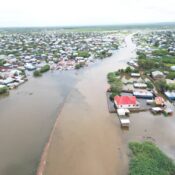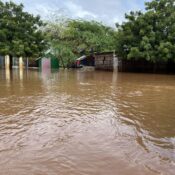

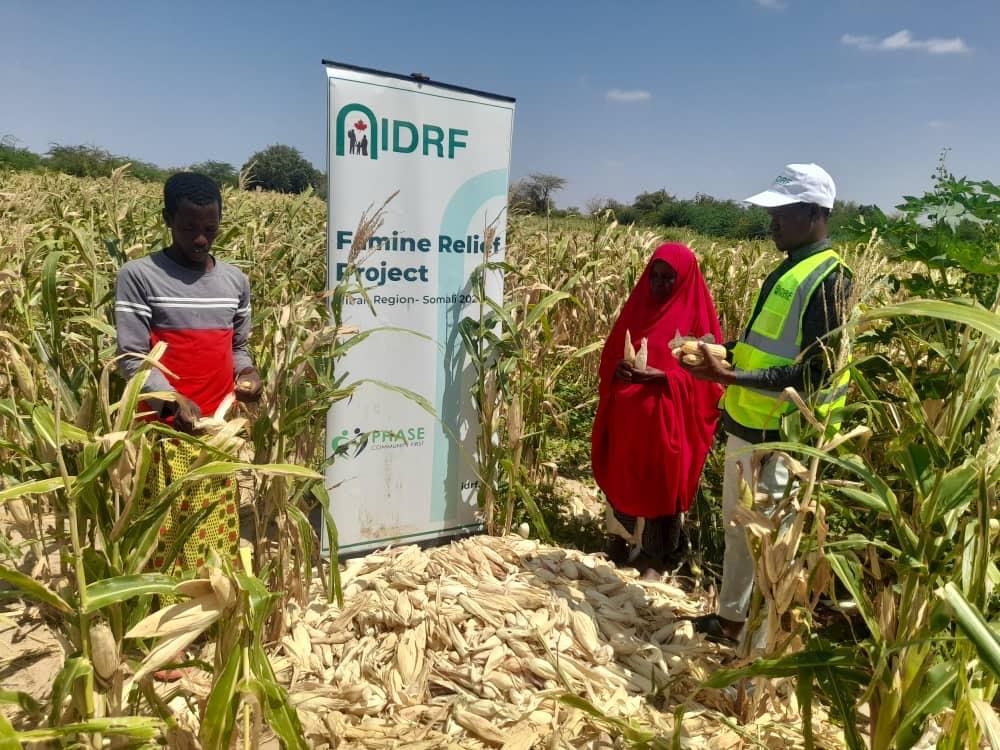
Climate change is no longer a distant threat—it’s a daily reality for communities across Somalia. From unpredictable rainfall and prolonged droughts to devastating floods, families are struggling to maintain livelihoods, access clean water, and protect their children’s future. For humanitarian organizations like PHASE, the challenge is not only to respond to crises but to empower communities to withstand and adapt to these shocks.Traditional humanitarian efforts often focus on emergency relief—food distribution, temporary shelters, and medical aid. While lifesaving, these interventions alone cannot address the underlying vulnerabilities that make communities susceptible to recurring crises.
At PHASE, we believe in building resilience, supporting communities to adapt, thrive, and recover faster from shocks. This approach goes beyond immediate needs to create long-term, sustainable solutions.

The Need for Community Resilience
Traditional humanitarian efforts often focus on emergency relief—food distribution, temporary shelters, and medical aid. While lifesaving, these interventions alone cannot address the underlying vulnerabilities that make communities susceptible to recurring crises.
At PHASE, we believe in building resilience—supporting communities to adapt, thrive, and recover faster from shocks. This approach goes beyond immediate needs to create long-term, sustainable solutions.
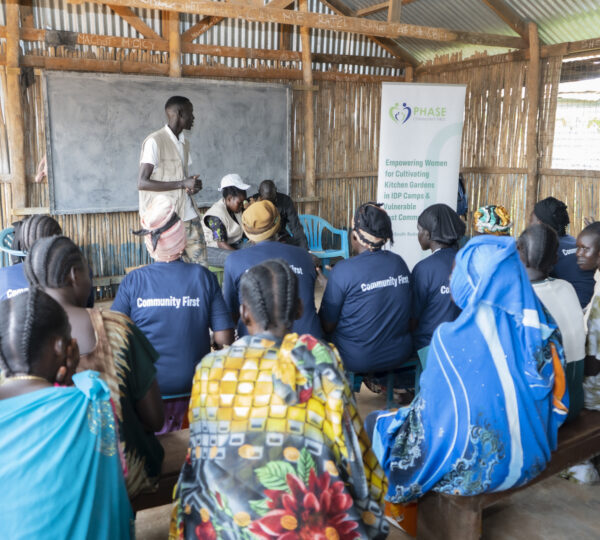
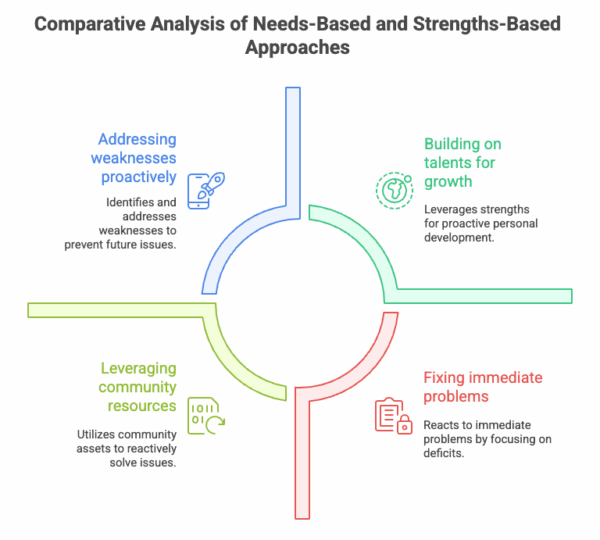
From Needs-Based to Strengths-Based Approaches
Historically, NGOs like ours have relied on needs assessments to determine what communities lack. While necessary, this approach often paints a picture of vulnerability without recognizing the existing strengths, skills, and networks within communities.
By shifting to a strengths-based assessment, PHASE focuses on:
-
Local knowledge: Understanding indigenous practices that have helped communities survive for generations.
-
Community leadership: Identifying local champions who can drive change from within.
-
Social networks: Leveraging collaboration between families, clans, and community groups to share resources and knowledge.
This approach allows us to co-create solutions with communities rather than imposing external fixes.
True resilience comes from within the community, not from the outside.
PHASE in Action: Resilient Livelihoods and Climate Adaptation
Across diverse communities, PHASE has implemented programs that strengthen livelihoods while preparing communities for climate shocks:
-
Sustainable Agriculture: Training farmers on drought-resistant crops and water-efficient farming techniques.
-
Water Security: Rehabilitating wells, installing rainwater harvesting systems, and improving sanitation to prevent disease outbreaks.
-
Economic Empowerment: Supporting small businesses and women-led cooperatives to diversify income sources and reduce dependence on a single livelihood.
-
Early Warning Systems: Equipping communities with tools and training to anticipate floods, droughts, and other natural hazards.
Why This Matters to the NGO World
The shift from a needs-based approach to a strengths-based, resilience-focused strategy represents a larger evolution in humanitarian work.
-
It encourages local ownership, ensuring interventions are culturally relevant and sustainable.
-
It reduces dependency on aid by leveraging community resources.
-
It allows NGOs to measure impact more effectively, focusing on long-term outcomes rather than just immediate outputs.
For PHASE, this approach aligns with our mission to empower Somali communities, fostering hope, opportunity, and dignity even in the face of climate uncertainty.
The Road Ahead
Building community resilience is not a one-time project—it’s a journey. As climate risks grow, PHASE is committed to:
-
Scaling resilience programs across more districts.
-
Investing in technology and data-driven solutions for early warning and climate adaptation.
-
Engaging youth and women as change-makers, harnessing their creativity and leadership.
Our vision is clear: communities don’t just survive crises, they thrive through them.
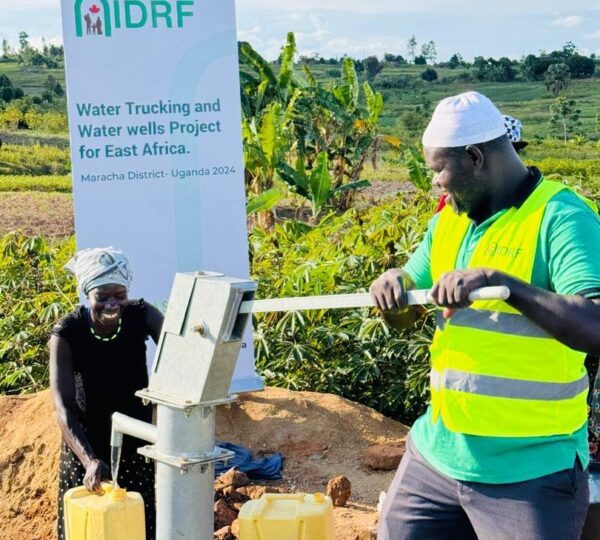
The future of humanitarian work lies in empowering communities to use their strengths to overcome challenges. At PHASE, we see every challenge as an opportunity—for innovation, collaboration, and growth. When we focuse on resilience and strengths, we’re helping communities not just to cope, but to flourish.