

For many families in East Africa, access to fresh vegetables and nutritious food is a daily challenge—especially in rural areas or during times of drought. Kitchen gardens provide a practical solution: small, manageable plots that allow households to grow their own vegetables, herbs, and fruits right at home.
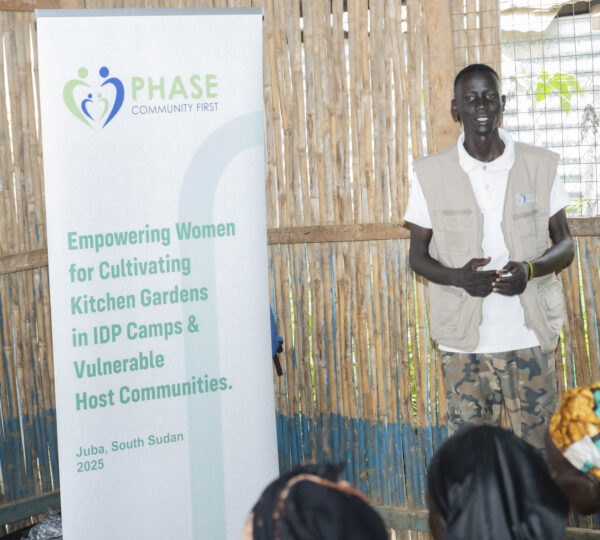
At PHASE Organization, we have successfully conducted kitchen garden training in South Sudan, helping women improve nutrition, generate income, and build community resilience. With these successes, we are now eager to expand the program to Somalia, Kenya, and Uganda, empowering even more women across the region.
Why Kitchen Gardens Matter
Kitchen gardens are more than just small plots of land—they are powerful tools for empowerment and resilience.
-
Improved Nutrition: Families gain access to fresh vegetables and fruits, improving diet quality.
-
Economic Benefits: Surplus produce can be sold in local markets, generating income.
-
Environmental Sustainability: Small gardens encourage efficient water use, composting, and organic farming practices.
-
Women Empowerment: Women gain control over food production and household nutrition decisions.
PHASE’s Kitchen Garden Training in South Sudan
PHASE Organization has delivered hands-on training sessions to women in South Sudan to establish and maintain productive kitchen gardens. The program included:
1. Planning the Garden
-
Selecting the right location (sunlight, soil type, water access)
-
Deciding what crops to plant for nutrition and income
2. Soil Preparation and Composting
-
How to enrich soil using organic methods
-
Techniques for composting kitchen waste to fertilize plants
3. Planting and Water Management
-
Step-by-step guidance on planting seeds and seedlings
-
Efficient watering techniques for areas facing water scarcity
4. Pest and Disease Management
-
Identifying common pests and diseases
-
Using natural, safe solutions to protect crops
5. Harvesting and Usage
-
How to harvest vegetables at the right time
-
Cooking and preserving produce to maximize nutrition
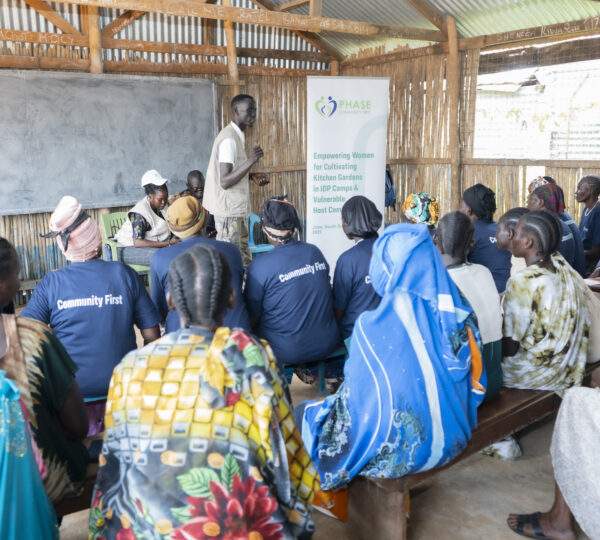
Success Stories from South Sudan
-
Improved Household Nutrition: Women trained by PHASE were able to harvest vegetables within months, improving the nutrition of their families.
-
Income Generation: Surplus produce sold in local markets allowed women to contribute financially to their households.
-
Community Knowledge Sharing: Trained women began teaching neighbors, creating a ripple effect of empowered households.
Our garden is more than food—it is hope, independence, and a future for our families. – South Sudanese woman participant.
Conclusion
Kitchen gardens are a simple yet transformative way to empower women, improve nutrition, and strengthen communities. With the success of our South Sudan program, PHASE Organization is ready to bring this impactful initiative to Somalia, Kenya, and Uganda, planting not only vegetables but also hope, resilience, and opportunity across East Africa.