The Frontline of the Climate Crisis
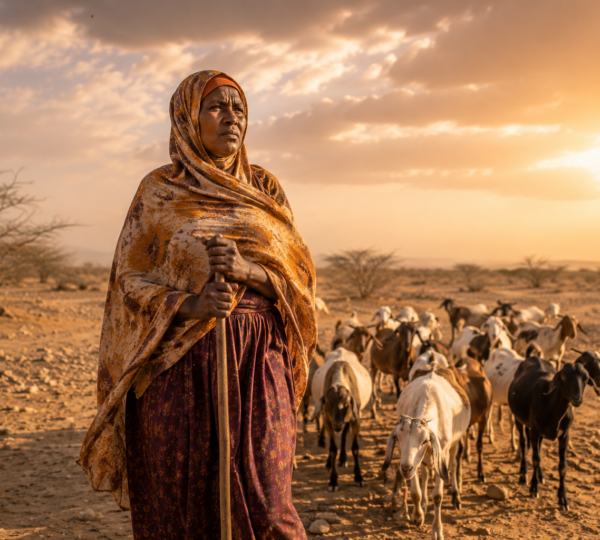
Somalia remains one of the countries most affected by climate shocks. Recurrent droughts, erratic rainfall, land degradation, and water scarcity continue to place immense pressure on pastoral communities.
In many regions, families are forced to travel longer distances in search of water and grazing land. Livestock losses have devastated household incomes. Traditional migration routes are becoming increasingly contested. Young people are migrating to urban centers after repeated climate shocks destroy livelihoods.
Yet despite these pressures, pastoral communities continue to demonstrate extraordinary resilience.
Pastoral systems are adaptive by nature. Mobility allows herders to respond to changing environmental conditions. Indigenous knowledge helps communities anticipate drought cycles, protect grazing areas, and preserve ecosystems over generations.
These are not outdated systems. They are climate-smart systems.
Rangelands: Somalia’s Overlooked Climate Asset
Healthy rangelands play a critical role in:
- Supporting livestock production and food security
- Protecting biodiversity
- Storing carbon in soils and vegetation
- Reducing desertification
- Sustaining water cycles
- Strengthening resilience against drought
When rangelands degrade, the impacts spread far beyond pastoral communities. Food insecurity rises. Conflict over resources intensifies. Displacement increases. Economic vulnerability deepens.
Protecting rangelands therefore is not only an environmental issue. It is a development, peacebuilding, and climate security priority.
Global Momentum Around Rangelands
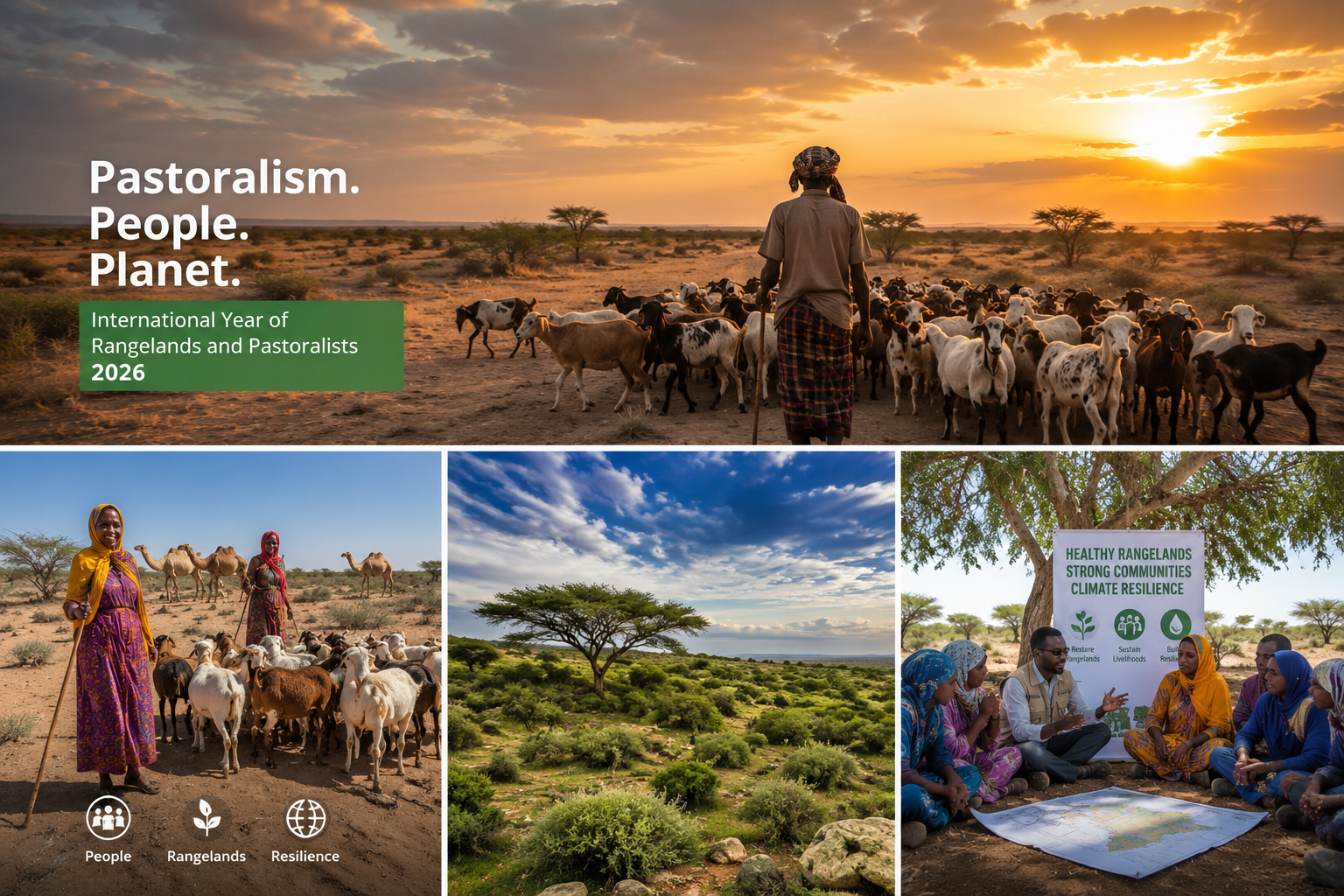
The global conversation around rangelands and pastoralism gained significant momentum following the sixteenth session of the Conference of the Parties (COP16) to the United Nations Convention to Combat Desertification (UNCCD) held in Riyadh in December 2024. The International Year of Rangelands and Pastoralists 2026 aims to elevate awareness around sustainable land management and the role pastoral communities play in protecting fragile ecosystems.
One of the major global initiatives supporting this effort is the Silk Road Caravan 2026, a symbolic and physical journey stretching from Türkiye to Mongolia. The campaign seeks to revive the historic spirit of connection along the Silk Road while highlighting stories of land restoration, pastoral resilience, and ecosystem stewardship.
The initiative will culminate at UNCCD COP17 in Mongolia, where global leaders, civil society, researchers, and pastoral communities will push for stronger action on land restoration and climate resilience.
Why Somalia Must Be Part of This Conversation
Somalia’s pastoral communities possess generations of knowledge on managing drylands under extreme climate variability. Their experiences offer valuable lessons for the world.
However, pastoralists are often excluded from national climate planning, land governance systems, and investment decisions. Women pastoralists in particular face barriers in access to land, resources, and decision-making spaces.
The International Year of Rangelands and Pastoralists provides an opportunity to change this.
It is a moment to:
- Recognize pastoralists as environmental stewards
- Invest in climate-resilient livelihoods
- Strengthen drought preparedness systems
- Protect grazing corridors and water access
- Promote community-led land restoration
- Elevate Indigenous and local knowledge in climate policy
PHASE’s Commitment
At PHASE, we believe climate resilience begins with communities.
Through our work in livelihoods, climate resilience, food security, and community empowerment, we continue to support vulnerable communities affected by climate shocks across Somalia.
We recognize that sustainable solutions cannot be designed without the voices of pastoralists themselves. Communities living closest to the land are often the ones with the deepest understanding of how to protect it.
As the world reflects on the future of rangelands in 2026, Somalia’s pastoralists should not only be seen as vulnerable populations in need of assistance. They should be recognized as partners in building climate resilience for future generations.
A Shared Responsibility
The future of rangelands is tied to the future of food systems, ecosystems, and climate stability.
Investing in pastoral communities means investing in resilience.
Protecting rangelands means protecting livelihoods.
Listening to pastoralists means learning from generations of adaptation, survival, and stewardship.
The International Year of Rangelands and Pastoralists 2026 is more than a global campaign. It is a reminder that some of the world’s most important climate solutions already exist within communities that have protected these landscapes for centuries.