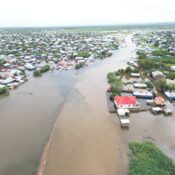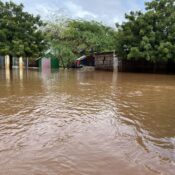
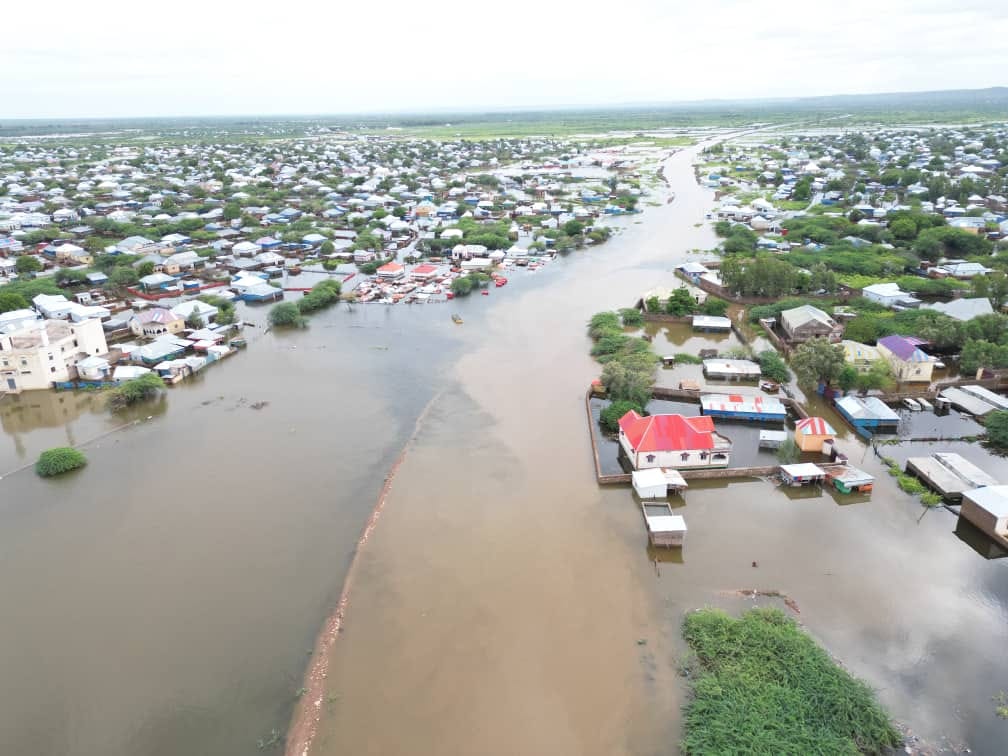
Somalia has just come through a hard stretch of drought. The next shock is likely to be water. U.S. forecasters now give a 75 percent chance that this El Niño will reach historic strength between October and December, stronger than any event on record since 1950. For communities along Somalia’s rivers and in its displacement settlements, the Deyr season is now the main period of risk.
What is El Niño, and why does it matter here?
El Niño is a recurring climate pattern in which the central and eastern Pacific Ocean warms well above normal. Its effects reach far beyond the Pacific. In the Horn of Africa it usually means heavier rain during the October to December Deyr season, which normally carries up to 70% of Somalia’s annual rainfall.
On 3 September 2026, the World Meteorological Organization reported that El Niño was firmly established and expected to strengthen, with a near-100% likelihood of lasting through February 2027. The outlook for Somalia follows from that: above-normal rainfall is forecast across most of the Horn of Africa this Deyr, consistent with the wetter conditions Somalia saw in the El Niño years of 1997 and 2023.
Why the risk is serious
More rain is not simply good news for a country that has just endured drought.
River flooding. An El Niño climate impact outlook for Somalia from UNDRR identifies a credible risk of severe flooding in the Jubba and Shabelle river corridors if El Niño strengthens alongside a positive Indian Ocean Dipole. The outlook stresses that this is not certain, but that early action is valuable given the lead time available. Heavy rain in the Ethiopian highlands, combined with local rain, could send river levels rising quickly and contaminate water sources, raising the risk of cholera and acute watery diarrhoea.
A weakened starting point. Gu rains were below average, and the 2025 Deyr and early 2026 drought strained water systems, livestock and household resilience. Hard, dry ground absorbs rain poorly, and households with little left to sell or borrow against have less room to cope with flooding.
Compounded displacement and need. The International Rescue Committee reported in July that 4.8 million people in Somalia were already in need of urgent aid, a number expected to climb as flooding compounds the drought. Flooding also threatens crops, roads, schools and health facilities, and it forces families into overcrowded settlements.
Specific areas need close attention. One analysis of the Deyr outlook highlights Bay, Lower Shabelle and Hiiraan. Some dry-season areas, such as parts of Ceerigaabo, Laasqoray and Iskushuban, are not expected to see meaningful Deyr rain. The forecast is not the same everywhere, so local information matters.
What is already being done
Preparation is under way. In September, the government approved a National El Niño Preparedness Plan, bringing federal institutions, Federal Member States and local authorities under one framework. FAO has begun anticipatory action, including debris clearance around the Sabuun Barrage to benefit about 269,000 people, and forecast-based cash assistance for nearly 38,000 of the most vulnerable people to support immediate needs and safe relocation.
The principle behind this work is the one that matters most: acting before the water arrives and talking to communities at risks costs less and protects more than responding afterwards.
PHASE’s response
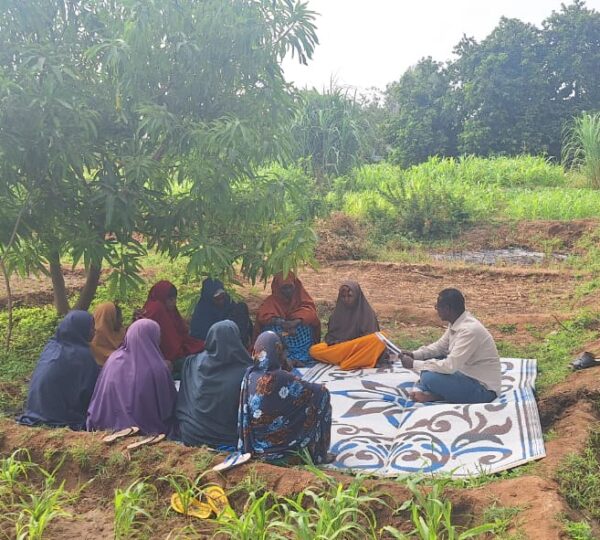
PHASE is ready to deploy WASH, livelihood and shelter support in the areas hardest hit by El Niño flooding. Working with local authorities, communities and partners, we will prioritise safe water, protection from waterborne disease, emergency shelter for displaced families, and recovery of livelihoods.
What communities and partners can do now
- Follow official warnings. Rely on SoDMA, FAO-SWALIM and local authority alerts, and share them in local language through community leaders, radio and mosques. Forecasts change through the season.
- Protect water and health. Use safe water storage and treatment, keep latrines and wells from flooding, and seek care early for diarrhoea and fever.
- Plan evacuation routes. Households near rivers should agree on higher ground, safe routes and a meeting point before the water rises.
- Protect assets and food. Move seed, grain and key documents to higher ground, and plan for livestock movement.
- Support the most vulnerable. Women, children, older people, people with disabilities and displaced families need to be included in warnings and evacuation plans from the start.
Risk and opportunity
Flooding is the main danger, but wetter conditions can also bring pasture regrowth, recharged water sources and a chance to rebuild after drought. That outcome depends on how well communities are prepared and how quickly support reaches them. PHASE will continue to work with communities, local authorities, and humanitarian and development partners to reduce the harm of this Deyr season and protect the recovery that can follow.
For partnership or media enquiries: Executive@phase.so